Introduction
Natural light is one of the most valuable elements in any home, offering a sense of warmth, openness, and well-being that artificial lighting cannot fully replicate. In a coastal city like Mangalore, where sunshine is abundant for most of the year, making the most of natural light is not only practical but also essential for creating healthy, uplifting, and energy-efficient interiors. Maximizing natural light requires a careful balance of architectural planning, smart use of materials, and thoughtful interior design strategies. From window placement to reflective surfaces, from furniture layout to color palettes, every design choice has the potential to either enhance or obstruct daylight. This article explores in detail the many ways Mangalore homeowners can use interior design tips to maximize natural light, making their homes brighter, healthier, and more welcoming without compromising on comfort or style.
Why Natural Light Matters in Mangalore Interiors
Natural light is more than just an aesthetic element; it plays a functional role in interior design. In Mangalore, where humidity and heavy monsoons dominate part of the year, ample natural light ensures interiors remain fresh and airy. Sunlight reduces reliance on artificial lighting during the day, which in turn lowers electricity bills and makes homes more energy-efficient. Exposure to daylight also has proven health benefits, including improved mood, productivity, and sleep quality. A bright interior space tends to feel larger and more open, making it especially beneficial for compact Mangalore apartments. Moreover, natural light enhances the true colors and textures of materials used in design, allowing wooden furniture, stone flooring, or vibrant fabrics to shine in their authentic beauty. For all these reasons, maximizing natural light is a priority for modern homeowners in Mangalore.
Architectural Considerations for Natural Light
The foundation of natural light begins with architectural planning. Window placement, size, and orientation determine how much sunlight enters a home. In Mangalore, where homes are often designed with both coastal breezes and monsoon rains in mind, large windows and openings are a common feature. South and east-facing windows allow abundant daylight while keeping interiors cool and shaded during peak heat hours. Skylights and clerestory windows are excellent architectural solutions for rooms that lack exterior walls. Courtyards, a traditional feature in many Mangalore homes, also act as natural light wells, channeling daylight into surrounding rooms. Sliding glass doors, French windows, and open balconies are additional architectural features that invite maximum sunlight. Collaborating with an interior designer during the planning phase ensures that these architectural choices are optimized for light distribution throughout the day.
Choosing the Right Window Treatments
Windows are the primary gateway for natural light, but how they are dressed makes a interior designers in Mangalore significant difference. Heavy drapes and dark-colored curtains can block sunlight, making interiors feel dim and closed. In Mangalore, lightweight fabrics such as sheer cotton or linen work best, allowing filtered sunlight to brighten rooms while still maintaining privacy. Neutral or pastel shades for curtains reflect light rather than absorbing it. Layered treatments, such as combining sheer panels with blackout blinds, offer flexibility—residents can enjoy natural light during the day and block it when needed at night. Bamboo blinds and jute shades, popular in coastal interiors, not only diffuse light beautifully but also add natural texture and a tropical charm to homes. By carefully selecting window treatments, homeowners can control the intensity of light while ensuring spaces remain bright and airy.
Color Palettes that Amplify Light
Colors play a crucial role in reflecting or absorbing natural light. Lighter shades, especially whites, creams, and pastels, are excellent at bouncing light across a room, making it feel brighter and more open. In Mangalore interiors, soft neutrals with pops of coastal-inspired hues like aqua, sea green, or sandy beige create a fresh and inviting ambiance. High-gloss finishes on walls or ceilings can further reflect daylight, while matte finishes may absorb some of the brightness. Wooden tones, when kept in lighter stains, add warmth without darkening the space. Accent walls in reflective shades, paired with strategically placed mirrors, can multiply the effects of natural light. Choosing a light-enhancing color palette ensures that even on cloudy or rainy days, Mangalore homes do not feel dull or gloomy.
Furniture Layout for Light Flow
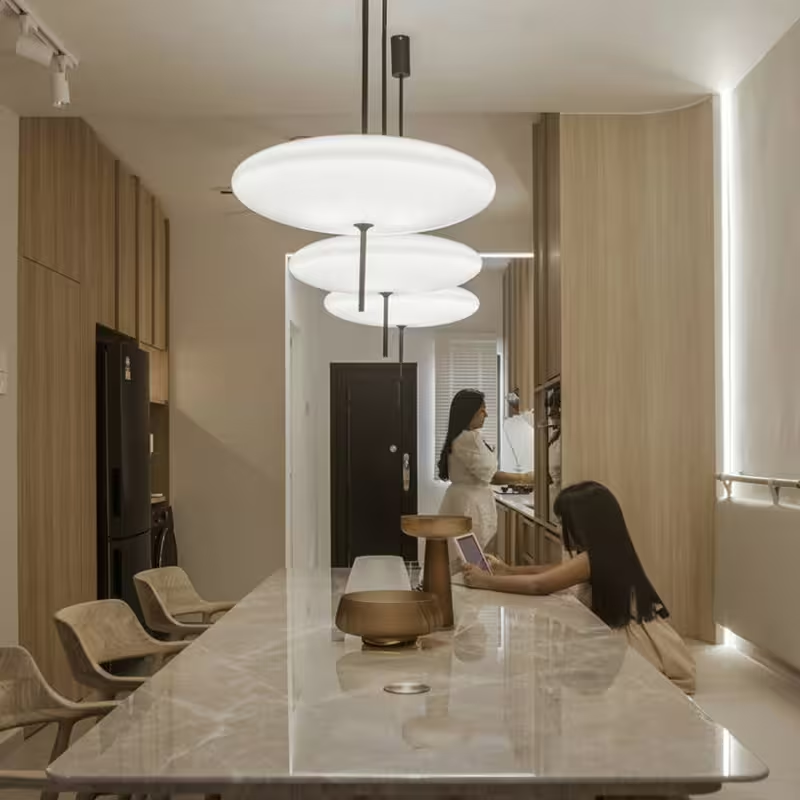
Furniture placement can significantly influence how natural light moves through a space. Oversized or dark-colored furniture positioned in front of windows can obstruct sunlight. To maximize light flow, it is best to arrange seating, tables, or beds in ways that do not block window openings. Low-profile furniture, such as modular sofas or sleek coffee tables, allows light to spread unobstructed. Using furniture with reflective surfaces like glass-top tables or glossy finishes further helps to bounce light around the room. Open shelving units instead of solid partitions also prevent shadows and encourage light to travel deeper into interiors. In compact Mangalore apartments, multifunctional furniture designs with minimal bulk are particularly effective in maintaining brightness while providing utility.

Reflective Surfaces and Mirrors
One of the most effective tricks to maximize natural light is the strategic use of mirrors and reflective surfaces. Mirrors placed opposite windows reflect daylight back into the room, instantly doubling the brightness. In Mangalore homes, where rooms may have limited wall openings, mirrors can be transformative. Beyond mirrors, other reflective surfaces such as glossy floors, metallic accents, and glass decor items also help in amplifying light. Polished stone flooring, lacquered cabinetry, and stainless-steel finishes in kitchens are practical ways to incorporate reflective elements. Even mirrored wardrobe doors in bedrooms serve a dual purpose of functionality and light enhancement. By thoughtfully including reflective materials, homeowners can brighten darker corners and make their spaces feel larger and more inviting.
Maximizing Light Through Flooring Choices
Flooring is an often-overlooked element when it comes to natural light optimization. In Mangalore, traditional homes often use polished stone like granite or laterite, which has reflective properties. Lighter-toned flooring, such as beige marble, cream vitrified tiles, or light wood, can make interiors appear brighter by bouncing daylight around. Glossy finishes enhance reflection, though they must be balanced with slip resistance in humid climates. Area rugs in lighter shades can also help brighten specific zones within a room. For modern interiors, large-format tiles with minimal grout lines create a seamless surface that reflects more light compared to smaller tiles. By choosing the right flooring, homeowners not only enhance natural light but also add elegance and durability suited to the region’s climate.
Open Plans and Partition Choices
Open-plan layouts are particularly effective in maximizing natural light. In Mangalore apartments and villas, removing unnecessary walls allows sunlight to penetrate deeper into interiors. Glass partitions, sliding doors, or perforated screens serve as light-permeable dividers that provide functional zoning without sacrificing brightness. For example, a kitchen separated from the dining area by a glass sliding door retains openness while containing cooking odors. Similarly, latticework or jali-style partitions, inspired by traditional architecture, allow light and air to pass through while adding artistic flair. Using transparent or translucent materials in partitions ensures that rooms do not feel dark or closed off, even if they serve distinct purposes.
The Role of Lighting in Enhancing Daylight
While the goal is to maximize natural light, artificial lighting plays a complementary role. In Mangalore homes, where monsoon rains can make days appear dim, combining daylight with well-placed lighting ensures a consistently bright ambiance. Warm LED lights positioned near textured walls, ceilings, or artwork enhance the play of natural light. Dimmable lights provide flexibility, allowing homeowners to adjust intensity based on time of day. Recessed lighting near windows can eliminate shadows that block the effect of sunlight. By layering artificial lighting with natural light, interiors maintain their brightness and functionality throughout varying conditions.
Greenery and Outdoor Connections
Plants and outdoor connections also play a part in enhancing natural light. Indoor plants placed near windows filter sunlight, creating a soothing dappled effect while maintaining brightness. In Mangalore, where courtyards and balconies are integral to many homes, maximizing these spaces ensures daylight streams in from multiple angles. Light-colored outdoor flooring and reflective balcony walls bounce additional light indoors. Glass railings instead of solid ones on balconies further increase daylight penetration. By integrating greenery and outdoor elements with interior spaces, Mangalore homeowners can create a seamless indoor-outdoor connection that enhances both natural light and overall well-being.
Conclusion
Maximizing natural light is not just a design trend; it is a lifestyle choice that enhances the quality of living. In Mangalore, where the coastal setting provides abundant sunlight, homeowners can benefit greatly by implementing smart interior design strategies. From architectural planning to simple choices like curtain fabrics, flooring, or mirror placement, every decision contributes to how light flows through a home. Bright, naturally lit interiors are healthier, more energy-efficient, and aesthetically pleasing. By embracing these tips, Mangalore residents can transform their homes into luminous, uplifting spaces that celebrate both modern design and the beauty of natural light.
FAQs
Why is natural light important in Mangalore homes?
Natural light makes interiors brighter, reduces electricity use, prevents dampness in humid climates, and creates healthier living conditions. It also highlights colors and textures in interior design.
What window treatments work best for maximizing natural light?
Sheer fabrics like cotton or linen in light colors allow filtered sunlight into homes. Bamboo blinds or jute shades are also effective while adding texture to interiors.
How can mirrors help in brightening Mangalore interiors?
Mirrors reflect sunlight back into the room, doubling the brightness. Placing mirrors opposite or adjacent to windows maximizes their effect.
Which flooring materials are best for reflecting natural light?
Light-toned marble, vitrified tiles, or polished stone floors reflect daylight effectively. Large-format tiles with glossy finishes further enhance light flow.
Can small apartments in Mangalore still benefit from natural light?
Yes, even small apartments can be made brighter with open layouts, light color palettes, reflective surfaces, and minimal window obstructions that allow daylight to spread.
Black Pebble Designs - Interior Designer in Mangalore
Address: 1104 Planet SKS, Kadri, Mangaluru, Karnataka 575004
Phone: +91-8106071763
Email: [email protected]
Open Hours: Mon-Sun 9:00AM - 8:00PM